There are things to bear in mind before heading off into the game. Before you progress further into SAGE: Legend, it is important to understand some key differences in this game that may be a radical departure from what you are used to:
Death and Healing
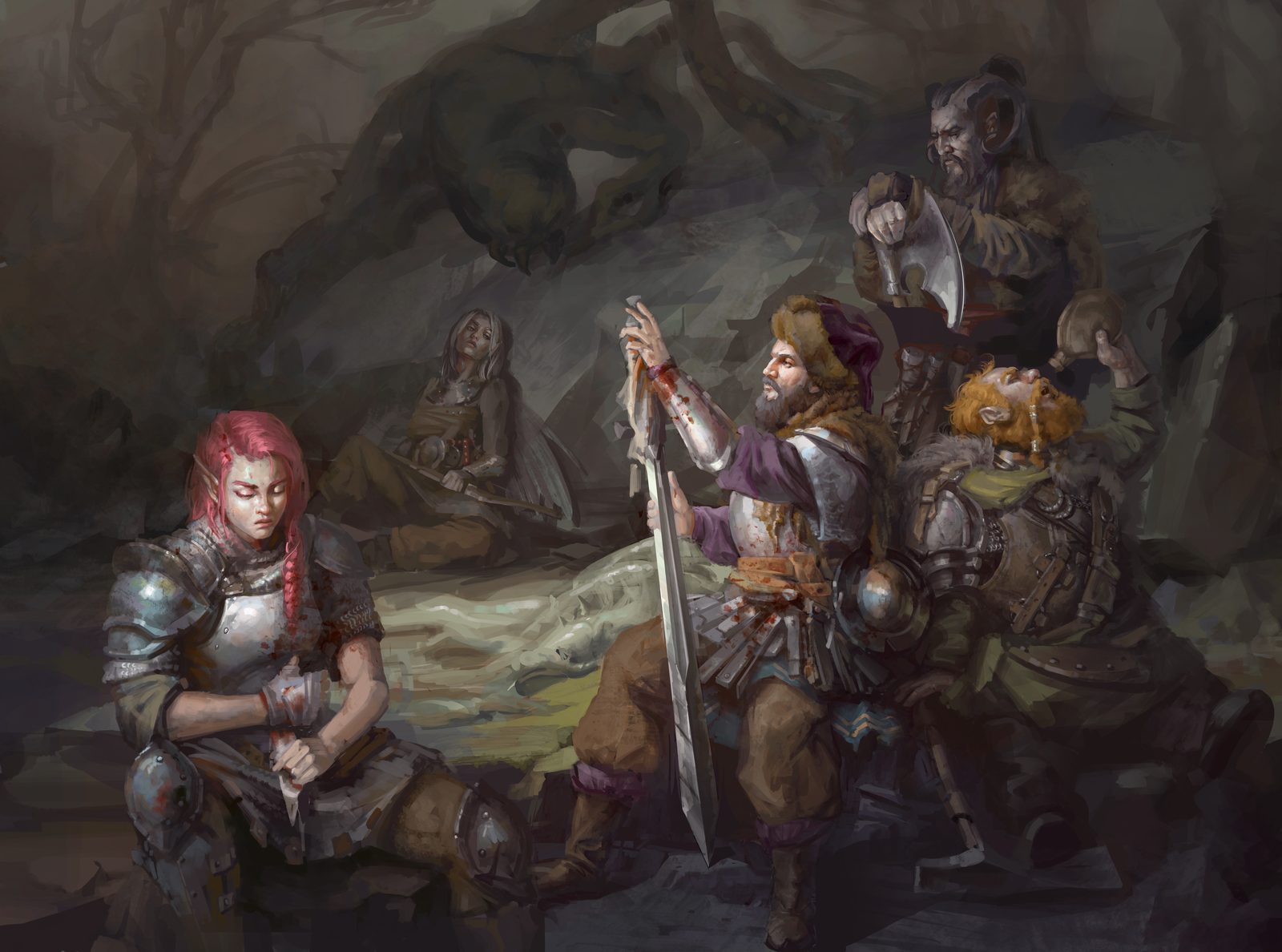
Character Death can happen, and happen quickly in SAGE. Players have multiple options to stave off this outcome for their characters, but it comes down to resource management. The resources you can use to quickly overcome an opponent, or strike a moment of glory, are the same resources required to stay alive. It takes discipline and tactics to keep a character alive.
In other games, wounded characters can easily be healed. This is not the case in SAGE. Magic is powerful, but there is no magic that instantly restores health or restores life. Healing takes time. There is no role for a character to sit back in a fight and keep their allies healthy.
Fight Alone, Die Alone
Combat requires the characters to work together as a party and support each other. Exposing a gap in your defenses to press an offensive invites risk. Focused and concerted efforts produce the best results.
Weapon Diversity
In most games there is little difference between a longsword, an axe, or a spear. In most open source games they all do the same thing. In SAGE, you must embrace the right tool for the right problem. A troll with a thick hide is going to be hard to take down with a sword. Trying to duel three combatants with a battle axe instead of a sword and shield is a quick recipe for death.
Be prepared to change weapons and tactics based on the combat situation. Arrows, while unreliable compared to a melee attack, have the advantage of range, and can be unanswered by an ill-equipped party.
Problem Solving
In SAGE there is as much support for managing a Combat Scene as there is for Social Scenes, Chase Scenes, Infiltration Scenes, Exploration Scenes, and Planning Scenes. Not every problem is solved by a spell or a blade.
Be prepared to have your party flee an encounter if they have taken too much damage, or are in over their heads. Don't be resistant to negotiate with your opponents, or avoid combat altogether.
Winning
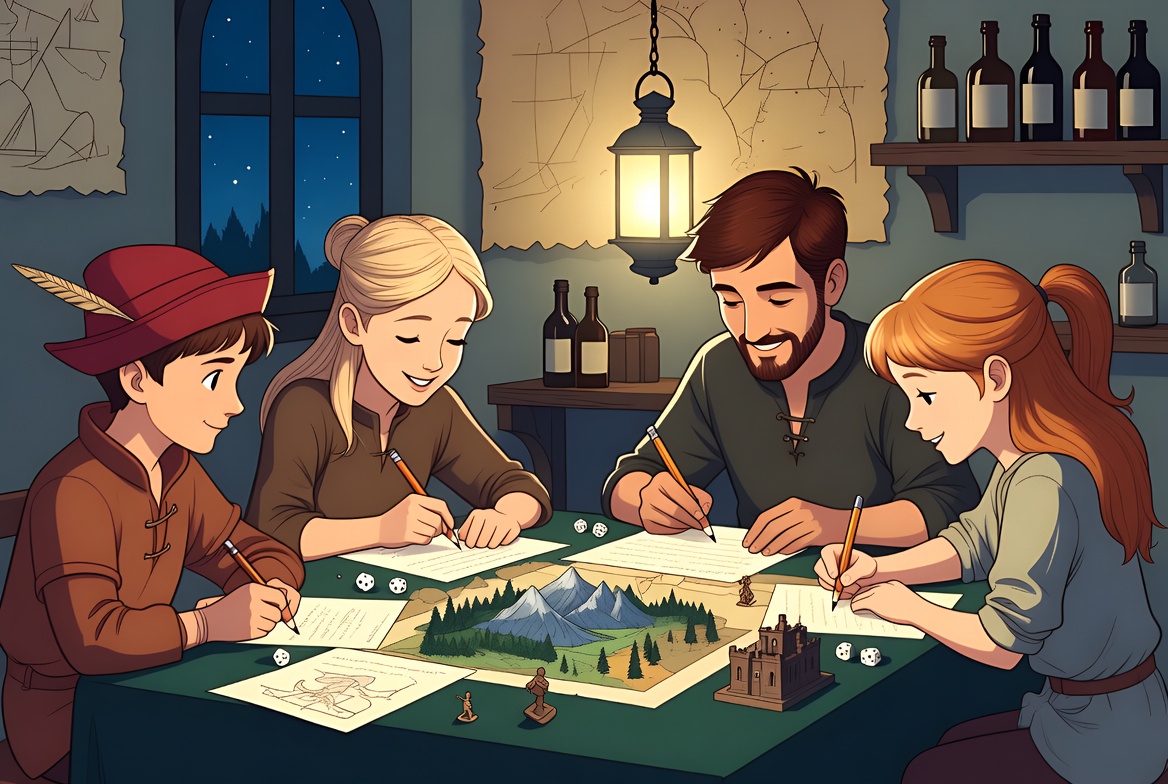
While there is no "winning" in a TTRPG, some might say "as long as you are having fun then you're winning." Sort of a lazy attitude, if not partly true. More specifically, everyone should be having fun, and this includes the Sage running the game. The best way to ensure that fun is had is to be judicious with whom you play. This means you should all largely enjoy the same elements of a TTRPG, and the designated Sage enjoys running the games in that fashion.
If the players prefer action packed combat that is light on story, and heavy on outlandish heroics, the Sage will become quickly frustrated (as will the players), if the game fails to deliver. The inverse of this is true. Players who want to focus on social interactions, sneaking around, and creatively solving problems, will become chagrined by a Sage who just throws monsters and villains at them all game long.
At the end of the day, don't be afraid to strike a balance among your group, try new play styles, and above all, make the effort to be involved.
Be gracious, and if you have strong opinions, hold them loosely
Listen to one another
If one member is incongruous with the rest, and refuses to go with the flow of the rest of the group, stop inviting them if they are unwilling or unable to change. It is a game.
One Rule to… erm… Rule Them All
The Dice Check
Core Mechanic
Roll a pool of d10s (10-sided dice). Each die ≥ Threshold = 1 Hit. Compare total Hits to the Target Number (TN):
This system is designed to deliver clear success levels that are used to perform maneuvers and gain advantages.
Degree of Success
Effect is used to also determine Degree of Success (DoS) for some actions. DoS is used to determine how well you succeeded on a check, and can help determine the outcome of an action.
Effect
Degree of Success
0–1
DoS 1
2–3
DoS 2
4–7
DoS 3
8–15
DoS 4
16–31
DoS 5
Sample Dice Checks
Example 1: Rudolf swings his arming sword in wide cut at an enemy with a 2 Evasion (EVA). His total Dice Pool for this Action Check is 9d10 and his Threshold is a 7+ — 9d(7+):EVA. He rolls the 9d10 and gets the following results: 2, 4, 4, 5, 6, 7, 7, 9, 10. He gets 4 Hits (everything that rolled a 7 or higher). Against the 2 EVA this grants him 2 Effect.
Example 2: Esmera is trying to stitch a wound on one of her allies. It's a deep wound so it has a TN of 4. She is well trained and has good equipment for this, so she gets a Dice Pool of 11, and her Threshold is a 6+. She will reduce the severity of the Wound by 1 per Degree of Success (DoS). She rolls the 11d10 and gets the following results: 1, 2, 2, 4, 6, 6, 7, 8, 9, 9, 10 giving her a total of 7 Hits. Against the TN of 4, this is 3 Effect, which is DoS 2. This lowers the Wound Level down from Heavy to Moderate to Light (2 Wound Levels).
Eat Your Meat…
Core Concepts
Rules exist in a game system to provide avenues for characters to execute acts of brilliant heroism, to face dire opposition, and ideally, overcome it. As you play the game, the rules will become easier, and eventually you will routinize it. It is at that point that most tight knit groups of players begin to construct their own perspective on the rules. They may strip away components they don't like, add new levels and layers, or riff whenever the mood strikes them.
All of this is good, but you need a place to start. Many games place a lot of responsibility on the individual running the game, and while the Sage carries a heavy load, these rules will give them the ability to build countless adventures with confidence. It is critical for players to become strong in their understanding of the rules, as it will clarify for them what their character is capable of doing, and how best to progress them.
Point Buy — No Classes
There are no classes in SAGE: Legend. Characters are built from the ground up with points the players allocate. Historically, these systems become min/max exercises, where players dump all their points into one area, and become unanswerable in those areas. In SAGE, this is mitigated in a few material ways:
Reduced Rate of Returns: The higher you go in one area, the more prohibitive and expensive those options become.
Diverse Defenses: Defending and Attacking in a Combat Scene uses an array of attributes and skills. Specializing in one or two attributes will leave you exposed in three or four defenses. A sword master will find themselves nearly useless against opponents with long reach, or defenses resistant to cutting attacks. The character, and the party, needs to be diversified to survive.
D10 is King
You only need d10's to play SAGE. It is a Hit/Effect based system.
The Sage
In other Roleplaying games this role may be named a "Game Manager" or "Dungeon Master." The Sage drives and manages each gaming session, and plays a large part in developing the stories that will feature throughout the Saga. Although it is always best if the stories are informed by the characters the players control. It can sometimes be a thankless role, and everyone who takes up this role does so because there is an element of joy and fulfillment that only this role can bring. Not everyone can be a Sage, but everyone who does will bring their own perspective, style, and flair to the role.
The Sage has five critical functions:
Manage the flow of the Saga, Book, Chapters, Arcs, and Scenes
Design, ideally with player input, the stories that undergird the overall Saga
Control, manage, and dictate the actions of all NPC's
Adjudicate any disputes in the rules, and make final decisions when needed
Do their level best to provide a story, and an environment, that allows players to have fun, while maintaining in-story consequences for their characters
The Players
The Players are people playing in the game that is being run by the Sage. Why don't players get a special title like "Sage?" Because they have the privilege of managing all the actions of their Character, around whom the whole of the Saga revolves.
The Characters (PCs)
Characters are created by and managed by the Players, and sometimes referred to as PCs. A Character can die. They can overcome obstacles. They can grow and evolve into heroes, or fail, regress, and become villainous. The Character is the binding element of the Saga, and are the greatest, and most important source for story elements. Players may have multiple characters they want to play, but only one character is played in the Saga. If that character dies, or exits the story, the player can play a different character in the Saga.
Non-Player Characters (NPCs)
These are characters in the Saga expressly under the control of the Sage. Everyone from the bartender at the local tavern, to the regional Baron, to the enemies the characters have to face, are Non-Player Characters, or NPC's. They are nearly as important to the story as the PC's, and are used to drive the Saga forward.
The Saga
Your stories are the Saga. The Saga is the complete collected tales of the PC's and their exploits. A Saga can run for as long as you and the Sage are enjoying it, or until the characters die, or the goal of the Saga is met. A Saga doesn't need to have a goal, as it could be entirely episodic with no discernable thread running between each Chapter. Sagas are composed of Books, which in turn are comprised of Chapters, which are made up of a series of Arcs, which have within them a number of Scenes.
The Book
A Book is a section of the Saga that has a clear beginning, middle, and an end, over an extended period of time. This, normally, aligns with the Tier of the game level. Characters that exit the Adventurer Tier can consider all their exploits before moving into the Renowned Tier, as a completed Book. While this does not have to perfectly align it should be close enough to be felt. Players should know they have entered into a new Book. Old enemies are defeated, and new, more powerful enemies, have hinted at their presence. Each character should experience one Heroic Moment in each Book, a moment where their decision affects their nature, their growth (or failure to change), and leads them on to the next step in their destiny.
The Chapter
The Chapter is the heart of an adventure. It is composed of multiple scenes, and anywhere from three, to six arcs. A Chapter should be anywhere between one and three gaming sessions to complete. At the conclusion of the Chapter, players receive Character Points to progress and advance their character.
The Arc
Arcs are components of a chapter. There are as many as six Arcs in a chapter, though some chapters may not have as many.
Exposition Arc — This is the "Call to Adventure." The characters are presented with the leading threads, or clear demand for adventure, and must heed its call. Or the characters may be thrust into a situation, and may seek to extricate themselves from it. During the exposition the threats, or their shadows, are presented to the characters, and their course must be charted.
Rising Action Arc — Of all the arcs, the Rising Action is largely dictated by the characters. This portion of a chapter could be spent gathering information, investigating, acquire equipment, traveling, visiting with contacts, etc. There may be some minor challenges in the Rising Arc, but these will simply hint at the real dangers to come during the Climax. Still, player actions could lead to the short circuiting of this Arc, relegating it to a few minutes of discussion before they make a direct line to the throat of the threat. This, however, can often turn out poorly for the characters.
Climax Arc — The characters' preparations, planning, and actions have led them to this moment. The climax can be capstoned with a tense battle, a machinating social event, a nail biting infiltration and extrication, or any number of challenges that will require their full attention, skill, and resources to overcome. At the end of the Climax Arc, the principal challenge of the Chapter is resolved (or failed).
Falling Action Arc — In the Falling Action, characters sometimes may need to deal with the fallout they created in the Climax. This can range from tending to their wounded, breaking news to the widow that they could not find her daughter, or burying the fallen. The results of the Climax are felt here, and the march to their victory feast, or funerary repast, is completed. Like the Rising Action Arc, some Chapters may not have a need for a Falling Action Arc.
Conclusion Arc — The Chapter ends. Final rewards are doled out. The players receive their Character Points. The Sage may hint at what may yet come in the next Chapter (if they know what happens next), and any loose ends are tied off by the characters, ending this story. During the Conclusion Arc, the players evaluate material changes to their character's psyche as a result of their actions. This may lead to a change in their character's overall mental state.
Downtime — The time between Chapters can be just as engaging for the players, as here they have full autonomy on their activities. Downtime can be spent convalescing over their injuries, learning new disciplines, plying their trade and talents for wealth, or producing great works. Downtime can also provide the characters mechanisms for managing their traumas from the past few chapters.
The Scene
Within each Arc may be one or more scenes. Scenes are set pieces of story within which the characters drive the outcome. Some scenes are designed by the Sage, while others can be completely originated by the players. Scenes have different overlays depending on the kind of scene it is.
There are multiple kinds of scenes, each with their rule mechanic, and purpose in the chapter. It is possible to inject scenes inside of scenes. A Combat Scene may suddenly turn in to a Chase Scene, or a failed Infiltration Scene could be interrupted by a Combat Scene. These are all woven together to create the flow of a Chapter.
Chase Scenes — The characters are either trying to catch up to an escaping enemy, fleeing from an enemy, or racing to get somewhere first. It pits the characters against a series of obstacles, where time is of the essence.
Combat Scenes — The foundation of most chapters, and the most detailed scene type. Battles, skirmishes, or ambushes. The characters face off against beasts, undead, mortals who stand against their designs, or terrible creatures of legend. Their very survival is at risk.
Cut Scenes — The Players are told of events that their characters are not aware of. Used to foreshadow coming events, give insights into the implications of the actions of their characters, or reveal tantalizing clues about the motivations of their enemies. Cut Scenes provide for the players, not their characters.
Exploration Scenes — The characters find their way through ruins, caverns, or open environments, with opportunity to find secreted items, clues, and places. The ruins of Khel'manthor were said to be somewhere in this canyon...
Infiltration Scenes — Sometimes the hardest thing to do is to avoid discovery. Escape notice, infiltrate places, spy on enemies, help allies escape a prison, or steal something well guarded — one step from discovery, where a poor decision jeopardizes the end game. Do you try and tackle and restrain the guard? Or do you distract him and sneak past?
Narrative Scenes — The most common scene type: open roleplaying situations, between the characters and NPC's, or strictly within the adventuring party. Players dictate their actions and endeavors, and the Sage freeforms where their activities lead.
Planning Scenes — The characters piece together the Intelligence they have gathered to plot their next course of action. Usually right before the Climax, giving players opportunities to prepare for the challenge ahead.
Social Scenes — A tense treaty conclave with a Duke, an elegant ball with all manner of influential attendees, a hostage negotiation with a ruthless bandit. The characters navigate tone and stances to produce the most beneficial outcome for their agenda.
Travel Scenes — Sometimes the conflict is between man and nature: disease ridden swamps, desolate wildlands bereft of meaningful resources. Travel Scenes are about the management of resources, exertion, and time.
Beacon
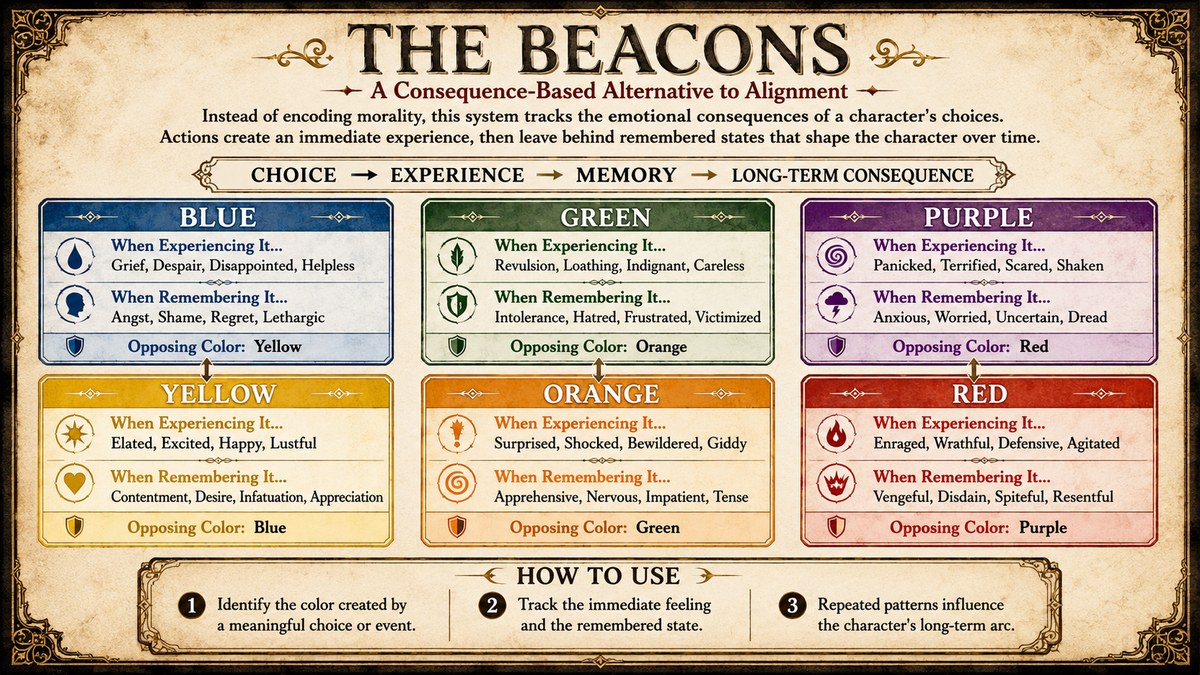
Beacon is a track of a character's mental state and emotions. It is called "Beacon" because the mortal soul exists in the spirit world, connected to their body in the material world, and the more emotional turmoil a mortal has, the brighter their spirit flares in the void. Beacon is an evolving score, and over time, without careful management of their emotional state, Beacon becomes a source of stress and dysfunction in the character's life. Beacon that gets too high (or too low) are the source of Stress.
Character Points (CP)
At the end of every Chapter, players receive Character Points (CP). Like in Character Creation, these points are used to increase your character's abilities, attributes, skills, etc. They are also used to determine which Milestone and Tier the character is in.
Character Death
Who wants to live forever? This is a game where death can happen suddenly and without recourse for the character. Unlike some fantasy roleplaying games where death is a minor stumbling block, grievous wounds, or overwhelming damage can undo the mightiest of heroes here. This allows players to take on the role of a new character, and enter the Saga from a fresh perspective. Character Trees are important for maintaining story continuity over the course of a Saga.
Magic Comes at a Cost…
Magic
Magic in this game is learned, not inherited. Although, ancestry can indeed play a role. But magic is dangerous, comes at a cost, and that cost is in emotional, psychic, and demonic forces. Mages are feared for this reason, and magic is highly regulated by society. As mages use magic they begin to bleed energies into the physical world, and corrupted mages are easy to identify, and hunted down by the Lictors from the Seat of the Archmage. Mages that do not go through formal training (hedge mages) are hunted by the Seat.
There are Classes of Magic, each with multiple Schools.
Spell Slots? Mana? A Mage Needs Not These Things…
Magic is the act of pulling infinite, morphic energy from the vast dimensions of formless spirit, and shaping it in accordance with will in the material world. Mortals are uniquely capable of this act as their Spirit resides in the Physical Reality, while their Soul is present in the formless spirit world. Their Quintessence is a conduit between worlds. The transport for this energy is… Emotion. In SAGE this is called Beacon.
Imagine in the spirit world the soul is bright, multi-colored, and this luminescence serves as a brilliant beacon in the formless void. Dark intelligences and entities are drawn to this battery of life, and seek to corrupt it, or in the case of gods and demons, claim it for their own uses.
To cast a spell, the mage must be roiling in raw emotion. Over time this makes the mage unpredictable, even dangerous, or sometimes mad, as they relive past traumas in unending cycle of generating fuel (Flare) to cast their spells. A mage never resolves their trauma… To do so would gate them away from the power they have learned to wield.
The Mechanics of Spell Casting
All characters have six Beacons, each noted with a color, and each is directly opposed by another. These Beacon colors represent a panoply of emotion, and has a rating of 0 to 10, where 0 means the character is completely devoid of this emotion, and 10 means they are completely and perpetually in the throes of it, and 4 to 6 being deemed "normal." The further away from normal a character is in a Beacon, the worse off they are, as they begin to suffer perpetual Stress. Stress can only be mitigated by taking up Compensators (drinking, addiction, emotional volatility, generally bad habits), or by adhering to a Path (a code of ethics, a life philosophy, or a religious tradition) that imposes on them a matrix of actions they must, or must never take. Getting in the wagon (failing a compensator) or straying from the Path, brings the Stress roaring back.
Spell Complexity
Spells have a Complexity Rating of 1 to 6. The higher the complexity, the harder it is to cast, or at least cast well. Characters early in their career may have learned very powerful spells, but their lack of training will make the casting of those spells difficult, or at least moot their effectiveness.
Spell Cost (Flare) and the Gates
Spells require fuel to cast. The more powerful (higher Complexity) the spell, the more fuel it needs. This fuel is called "Flare." Flare shares a Beacon Color. Characters generate Flare by doing things appropriate to the Flare, or if a mage, by "Opening the Gates." There are 9 Gates, and it is relatively safe for a mage to open the first three, but each Gate after that exposes the mage to blowback, disruption, pain, or worse. Each Gate is bound to a Beacon Color. By opening a Gate, the mage relives an old emotional trauma associated with that Beacon, but gains an amount of Flare in it. They may then spend this Flare to cast spells.
While opening a Gate is relatively easy and quick, closing gates takes time, and is taxing, inflicting Strain on the mage. Gates must be closed one gate at a time, beginning with the highest rated Gate opened. The higher the Gate level, the more Flare is granted, and the deeper the trauma.
Modalities
Channeling and drawing down immense energies requires more than just thought and will. Systems of magic have developed to codify the process through modalities. There are five broad modalities: Raiment, Implements, Tokens, Intonations, and Gestures. Each mage must use three modalities when they cast a spell, or do a ritual. Each system of magic will have rules detailing which modalities are supported, and how they are used. But Hedge Mages (those with no official system), can leverage any three Modalities of choice when casting a spell. Mages must have three (3) modalities in use to cast a spell. For each Modality not leveraged, the spell requires +3 Flare to cast. A Mage who is trying to cast a low Flare spell with a cost of 1, who does so with only one modality, would have to pay a steep cost of 5 Flare (+4 for only having 1 Modality active). There is no mechanical benefit to having more than three modalities active.
Raiment — A uniform, or obvious apparel. To the Selifren Mage this is their Selifren Crystal. To the Hekikarian this is their articles of Mortification. A Raiment should be obvious and worn against the skin. Clothing, adornments, robes, or obvious accessories, can be considered Raiments. They must be worn prominently to be counted as a Modality.
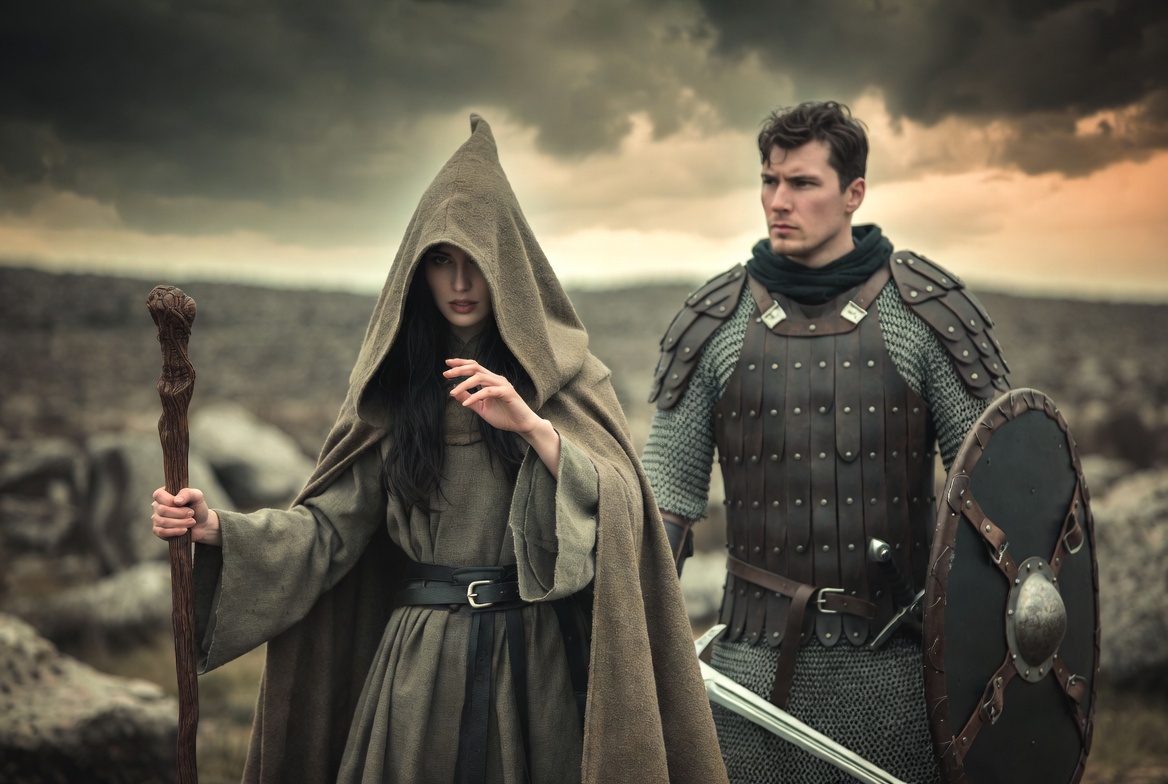
Implements — A held device. It must be held in hand to be considered an Implement. The Ddewin treat their staff as an Implement. The Hekikarian uses their Jagged Knife. The Implement can also be a weapon, or have some other utility apart from being an Implement.
Tokens — A disposable, or consumable item, that is expended or used when a spell is cast. These items are often kept in pouches at the belt of the mage. While the Token need not be expensive, nor particularly exotic, it should also not be easy to gather. This can be simulated by simply having the mage spend a silver piece every so often to replenish their tokens, or take time to gather them during their downtime.
Intonations — A chant, phrase, or some other evocation of word or sound. The Sahari Callers repeat ancient rhymes, and the Ddewin utter their words of power, as examples of an Intonation. Using an Intonation makes it clear you are casting a spell to anyone within Earshot. Being Mute prohibits you from using the Intonation Modality.
Gestures — Casting with Gestures requires the mage have a free hand to make hand signs, or weave wildly with body movements. Being Restrained prohibits you from using the Gestures Modality. While not common in the Bloodvale, it is said the far eastern mages of Kalistan, or the Vagande of Shaden, make prominent use of Gestures when casting.
Animism
ApsychomancyNecromancyPhytomancyZoomancy
Animism, or Animancy, follows that within everything resides a spirit, or the potential to house a spirit. Animism is the manipulation, or implantation, of spirits inside of the world, to drive them to your own ends. Wielders of this class of magic are broadly called "Animists". Animancy is the most prevalent class of magic in the world, and most mages know at least some Animism spells.
Apsychomancy School — The spirits of the inanimate, manufactured things, and the wholly inert. Apsychomancy is the birthplace of constructed animants, golems, and magical machinery and their operation.
Necromancy School — The spiritual residue of the recently dead, the binding of souls severed from the material, and the animation of corpses and skeletons. Necromancy governs the realm of the dead.
Phytomancy School — The spirits within plants, trees, and flora; Phytomancy manipulates nature itself. This can cause plants to spontaneously grow, and blossom, or to animate, or wither away.
Zoomancy School — The manipulation of the spirits and intelligences within animals, and fauna. It can allow you to perceive through their senses, control their actions, or awaken their spirits to a more powerful form.
Eldritch
CharmsDreamingGlamoursHexes
Eldritch magic, or more colloquially, Witchcraft, derives its power from the realm of the Fae. Fae magic is feared by many because it focuses on illusion, curses, probability, and trickery. Those who practice its arts are often referred to as a "Witch" if a female, or a "Warlock" if a male. Many lords outright forbid it in their realm, but even those same lords often employ a Witch on their payroll.
Charms School — Spells and rituals that bring good fortune, or amplify effort, or chance. They are used to imbue a blade with etheric power before it strikes, fix the erratic flight of an arrow, or bring comfort to the infirm.
Dreaming School — The world of night, shadows, dreams, and prophecy. Through dreaming you can interpret auras, cause mental delusions, summon shadows, or even sever a mortal's link to the spirit world for a time.
Hexes School — Hexes bring mayhem, misfortune, and malediction to their targets. Through curses come sleep from which there no waking, the sickly glare of the evil eye, and the snapping of bowstrings.
Glamours School — Glamours has to do with light, illusion, and psychic communication. It can confuse the mind as it does the eyes.
Elementalism
AeromancyGeomancyHydromancyPyromancy
Elementalism brings the raw energy of the spiritual world into the material world by converting it into elemental structures and forces. "Elementalists" are feared combat mages, and some are even called "War Mages" to denote their principal purpose in the current age.
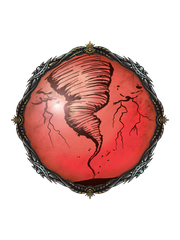
Aeromancy School — The harnessing of wind, storms, and lightning, Aeromancy is easily the most theatric and frightening displays of magic. Aeromancers have been known to shield themselves from arrows, call lightning down from storms, and poison the very air.
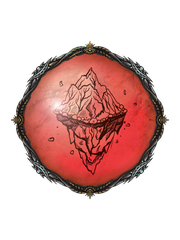
Geomancy School — Perhaps the most under used schools of magic, Geomancy derives its powers from the foundation of the earth. The soil, the rock, the mountains themselves, and the materials that hide within it, are the domain of the Geomancer. While not as obvious as Aeromancy, or Pyromancy, the Geomancer can be the most powerful of them all.
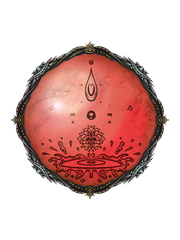
Hydromancy School — Water is perhaps the most potent element. Its ability to destroy can come in crashes, or over time, but in either case, it is inexorable. Hydromancy can freeze water, agitate it, or imbue within it magical properties.
Pyromancy School — Easily the most destructive, Pyromancy governs the summoning and control of fire and heat. Few lords would dare go to battle without Pyromancers supporting their lines. Pyromancers can cause people to combust in flames, hurl bolts of flame, or fling sheets of fire across the fields from afar.
Sorcery
AlchemyConjurationDemonologyTelekinesis
Sorcery is the communication with unseen intelligences, and the infinitely morphic realms in which they reside. Sorcery also manipulates spectral forces and the composition of spiritual energies made manifest in the world, known as Quintessence. Practitioners of this art are called "Sorcerers," although the uninitiated have been known to call them Diabolists, and Consorters.
Alchemy — One part personal philosophy of self improvement, one part tutelage from unknown intelligences, and one part chemical mastery. Alchemists can extract and manipulate Quintessence to imbue it into potions, compounds, and change material structures.
Conjuration School — The manipulation of time, and space, allowing the Sorcerer to summon objects to his presence, or to teleport himself, or others, across distances in a blink of an eye. Conjurers can be unpredictable in combat, moving themselves, or their opponents, at whim.
Demonology School — The magic of consorting with extra-planar intelligences, drawing on their powers, and their realm, and the manipulation of the energies inherent in a mortal soul. It is among the most feared, mistrusted, and alien magics in the world.
Telekinesis School — The direct manipulation of the unseen energies of the world, and using this spiritual pressure to push, pull, and grip in the material world. It is useful for both defense, as well as offense.
Glyphs
CirclesSealsSigilsWards
Glyph Magic is the drawing of signs in the world to direct, infuse, imbue, or ward away magical energies.
Circles School — Circles draw magical energy into the circle and can alter how those energies function within the confines of the circle.
Wards School — Opposite of circles, wards push magical energies away, impeding, and making things less effective while within the warded area.
Sigils School — Sigils are markings made on the body that provide the bearer of the marks magically imbued powers. They can stave away hunger, strengthen the body, make swift their gait, or protect them from dark forces.
Seals School — Seals are programmatically structured weaving of spells, allowing them to be cast when conditions and circumstances align. They are effective for traps, protecting areas, or delaying the effects of a spell.